

blogs
Essential Commercial Kitchen Equipment for Restaurants

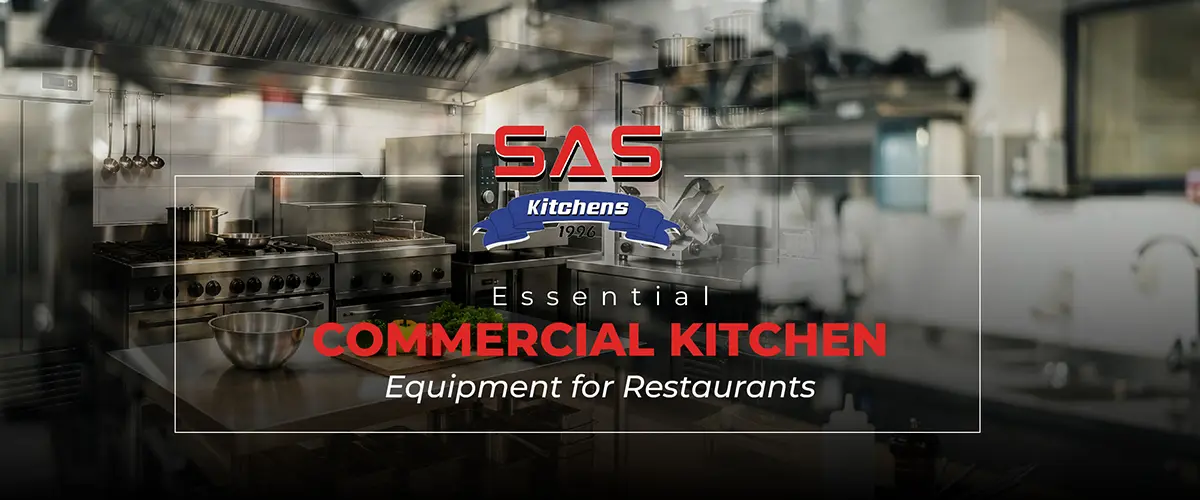
A successful restaurant depends on more than skilled chefs and a strong menu. The kitchen must support fast service, safe food handling, proper storage, easy cleaning, and consistent cooking. Choosing the essential commercial kitchen equipment for restaurants helps the staff work smoothly during busy hours and reduces delays caused by poor planning. Every item, from refrigerators and cooking ranges to preparation tables and dishwashers, has a clear role in daily operations. The right setup also helps control energy use, food waste, labour time, and maintenance costs. Restaurants should select equipment according to their menu, kitchen space, order volume, and service style.
Why the Right Commercial Kitchen Equipment Matters
A commercial kitchen works under pressure. Chefs prepare several orders at the same time, ingredients move quickly between storage and preparation areas, and used utensils return continuously for washing. Poor-quality or incorrectly sized equipment can slow down the entire operation.
Reliable commercial kitchen equipment helps restaurants:
- Prepare food faster
- Maintain the same taste and portion size
- Store ingredients at safe temperatures
- Reduce unnecessary movement in the kitchen
- Improve hygiene and staff safety
- Handle peak-hour orders without delays
Before buying any equipment, restaurant owners should study their menu, expected number of customers, available utility connections, and kitchen layout.
Commercial Refrigeration Equipment
Refrigeration is one of the first areas to plan in a restaurant kitchen. Fresh vegetables, dairy products, meat, seafood, sauces, desserts, and prepared food all require safe temperature control.
Common refrigeration equipment includes:
- Upright refrigerators
- Undercounter chillers
- Chest freezers
- Walk-in cold rooms
- Preparation counters
- Display refrigerators
A small café may only need one upright refrigerator and an undercounter chiller. A hotel or large restaurant may require separate cold rooms for meat, vegetables, dairy products, and frozen items.
When selecting refrigeration units, check the storage capacity, temperature controls, shelf arrangement, door seals, energy use, and cleaning access.
Commercial Cooking Equipment for Daily Service
Cooking equipment forms the main working section of most restaurant kitchens. The correct appliances depend on the dishes listed on the menu.
Important commercial cooking equipment may include:
- Gas or electric cooking ranges
- Convection ovens
- Combination ovens
- Deep fryers
- Griddles
- Charbroilers
- Salamander grills
For example, a burger restaurant may rely on a griddle, charbroiler, and fryer. A bakery will need ovens, mixers, proofing cabinets, and dough preparation tools. An Indian restaurant may require heavy-duty cooking ranges, tandoors, stockpot burners, and curry stations.
Restaurant owners should avoid buying equipment only because it looks useful. Every appliance should match a real menu requirement.
Food Preparation Equipment
Food preparation takes a large part of the kitchen team’s time. Proper equipment reduces manual work and helps maintain consistent cuts, textures, and portions.
Useful preparation equipment includes:
- Vegetable cutters
- Food processors
- Commercial mixers
- Meat slicers
- Meat mincers
- Dough kneaders
- Potato peelers
A pizza kitchen may need a dough mixer and dough sheeter, while a catering kitchen may benefit from a large vegetable cutter and food processor.
Choose preparation equipment according to daily production. A machine that is too small may slow down the work, while an oversized unit may occupy valuable kitchen space.
Stainless-Steel Tables, Shelves, and Storage
Stainless steel is widely used in professional kitchens because it is strong, easy to clean, and suitable for food preparation areas.
Important stainless-steel items include:
- Preparation tables
- Wall-mounted shelves
- Storage racks
- Sink units
- Mobile trolleys
- Work counters
A well-planned storage system keeps utensils, ingredients, containers, and small appliances within easy reach. It also helps prevent clutter around cooking and washing areas.
SAS Kitchens can help restaurants choose suitable work tables, storage units, and custom fabrication based on the available space and kitchen workflow.
Commercial Dishwashing and Cleaning Equipment
Restaurants need a fast and hygienic system for washing plates, glasses, trays, pots, pans, and cooking tools. Manual washing may work for a very small café, but it often becomes difficult during busy service hours.
Common dishwashing options include:
- Undercounter dishwashers
- Hood-type dishwashers
- Conveyor dishwashers
- Glass washers
- Pot washers
A small restaurant may use an undercounter machine, while a hotel kitchen may need a conveyor dishwasher that can clean large volumes continuously.
The cleaning section should also include pre-rinse units, stainless-steel sinks, drying racks, floor drains, waste bins, and cleaning chemical storage.
Commercial Kitchen Ventilation
Cooking creates heat, smoke, steam, grease, and strong smells. A proper ventilation system removes these elements and keeps the working area safer for the kitchen staff.
A commercial ventilation setup may include:
- Exhaust hoods
- Grease filters
- Ductwork
- Exhaust fans
- Fresh-air supply
The ventilation capacity should match the cooking equipment. A kitchen with several grills and fryers needs stronger extraction than a small bakery or coffee Shop.
Poor ventilation can make the kitchen uncomfortable, increase grease buildup, affect equipment performance, and create fire risks.
Food Holding and Serving Equipment
Prepared food must remain at the correct temperature until it reaches the customer. Restaurants, hotels, buffets, and catering businesses use holding equipment to protect food quality and safety.
Common holding and serving equipment includes:
- Bain-marie units
- Hot cupboards
- Heat lamps
- Plate warmers
- Soup kettles
- Heated display counters
- Cold display counters
For example, buffet restaurants use bain-marie counters to keep dishes warm, while bakeries use chilled display counters for cakes and desserts.
How to Choose Restaurant Kitchen Equipment
When comparing restaurant kitchen equipment, look beyond the purchase price. Consider how much the equipment will cost to operate, clean, repair, and maintain.
Check these points before making a decision:
- Capacity and daily output
- Available kitchen space
- Gas, electricity, and water requirements
- Energy consumption
- Ease of cleaning
- Spare-part availability
- Warranty coverage
A planned equipment list can save money and prevent unnecessary purchases.
Frequently Asked Questions
What equipment is essential for a restaurant kitchen?
Most restaurants need refrigeration, cooking ranges, preparation tables, sinks, ventilation, storage racks, dishwashers, and food holding units.
How do I select commercial kitchen equipment?
Choose equipment based on your menu, number of daily orders, kitchen size, available utilities, budget, and maintenance needs.
What kitchen equipment does a small restaurant need?
A small restaurant usually needs a refrigerator, freezer, cooking range, preparation table, sink, storage racks, ventilation hood, and dishwasher.
Is hotel kitchen equipment different from restaurant equipment?
Hotel kitchen equipment is often larger because hotels manage buffets, banquets, room service, and several food outlets.
Why is stainless steel used in commercial kitchens?
Stainless steel is durable, easy to clean, resistant to rust, and suitable for hygienic food preparation and storage areas.