

blogs
Restaurant Equipment Maintenance Checklist

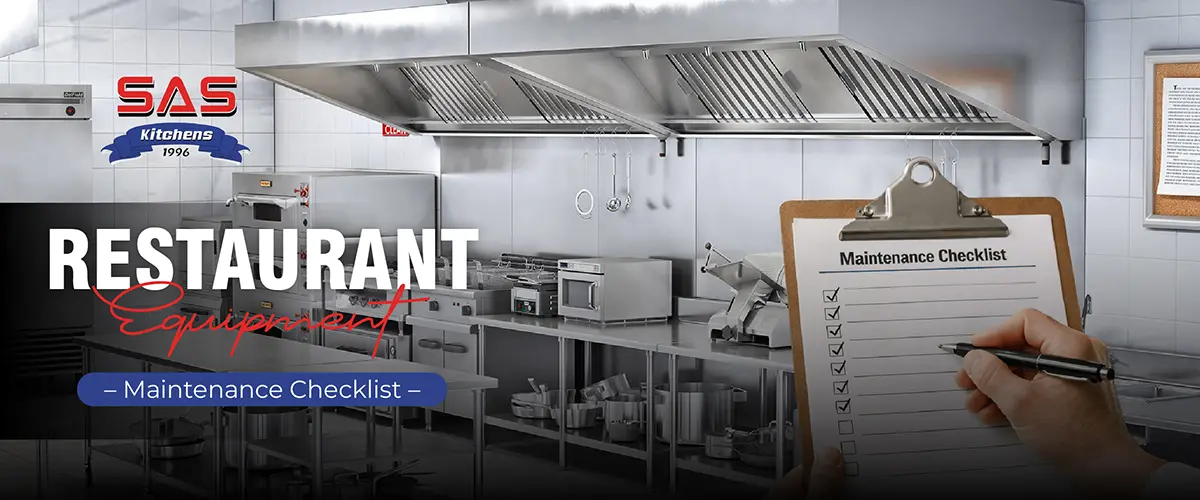
A restaurant kitchen depends on equipment that works properly every day. Ovens, fryers, refrigerators, freezers, dishwashers, mixers, and exhaust systems all support food preparation and service. When one machine breaks down, the whole kitchen can slow down. Orders get delayed, staff face extra pressure, and repair costs rise.
A clear Restaurant Equipment Maintenance Checklist helps restaurant owners and kitchen managers prevent these problems. Regular cleaning, timely inspection, and planned servicing keep equipment safe, efficient, and ready for daily use.
Whether you run a café, hotel, bakery, cloud kitchen, catering company, or full-service restaurant, proper commercial kitchen equipment maintenance can reduce breakdowns and extend the life of costly machines.
Why Restaurant Equipment Maintenance Matters
Commercial kitchen equipment works under tough conditions. Heat, steam, grease, moisture, food waste, and long working hours slowly affect performance.
A dirty condenser coil may force a refrigerator to use more power. A blocked fryer burner may lead to uneven heating. A damaged oven seal may increase cooking time. These small problems often turn into major repairs when staff ignore them.
Regular maintenance helps you:
- Prevent sudden equipment failure
- Reduce repair and replacement costs
- Improve food safety
- Lower electricity and gas use
- Maintain steady cooking results
- Reduce service delays
- Extend equipment life
A planned restaurant maintenance checklist also helps staff understand what they need to inspect and when they need to do it.
Restaurant Equipment Maintenance Schedule
Every kitchen should divide maintenance into daily, weekly, and monthly tasks. This makes the work easier to manage.
| Schedule | Equipment | Main Maintenance Tasks |
|---|---|---|
| Daily | Fryers, ovens, grills, refrigerators, dishwashers | Clean surfaces, remove grease, check temperatures, and inspect doors and controls. |
| Weekly | Exhaust filters, mixers, cooking ranges, freezers | Deep clean parts, inspect cables, tighten fittings, and check seals. |
| Monthly | Condensers, compressors, motors, ventilation units | Clean coils, test performance, and inspect gas and electrical connections. |
Keep this schedule in a place where kitchen staff can see it. Ask the person responsible to sign after completing each task.
Daily Commercial Kitchen Equipment Maintenance
Daily cleaning is the most important part of any maintenance plan. It prevents grease, dirt, and food residue from building up.
At the end of each shift, staff should:
- Clean grills and griddles
- Remove crumbs and grease from fryers
- Wipe oven doors, trays, handles, and control panels
- Check refrigerator and freezer temperatures
- Clean dishwasher filters
- Remove waste from sinks and floor drains
- Check gas burners for a steady flame
Staff should never spray water directly on electrical controls. They should also follow the cleaning instructions given by the equipment manufacturer.
Weekly Restaurant Maintenance Checklist
Weekly checks should cover parts that collect grease, dust, and food particles during regular use.
Your weekly restaurant maintenance checklist should include:
- Wash exhaust hood filters
- Inspect electrical plugs and cables
- Check refrigerator door gaskets
- Clean mixer blades and attachments
- Tighten loose screws, handles, and hinges
- Clean dishwasher spray arms
- Check oven and fryer thermostats
A kitchen manager should review the completed work and note any signs of damage. This simple step can stop a small fault from becoming an expensive repair.
Monthly Commercial Catering Equipment Maintenance
Large restaurants and catering kitchens often run equipment for many hours each day. These businesses need a proper commercial catering equipment maintenance plan.
Monthly tasks may include:
- Cleaning refrigerator condenser coils
- Checking compressor performance
- Inspecting gas pipes and valves
- Testing electrical connections
- Checking oven temperature accuracy
- Inspecting ventilation fans
- Lubricating moving parts where needed
- Testing safety switches
Trained technicians should handle gas, refrigeration, and electrical repairs. Kitchen staff should not open sealed parts or attempt repairs without proper knowledge.
Equipment That Needs Extra Attention
Some machines need closer care because they work continuously or collect grease quickly.
Refrigerators and Freezers
Check temperatures several times a day. Inspect door seals and clean condenser coils regularly. A damaged seal allows cold air to escape and forces the machine to work harder.
Fryers
Filter or replace oil as required. Clean the tank, basket, and burners. Grease and food crumbs can affect heating and food taste.
Ovens and Cooking Ranges
Clean burnt food, trays, burner caps, and door seals. Check whether food cooks evenly. Uneven cooking may point to thermostat or heating problems.
Dishwashers
Clean filters and spray arms every day. Check water temperature and look for leaks around pipes and doors.
Exhaust Hoods
Grease inside filters and ducts can reduce airflow and increase fire risk. Clean filters regularly and arrange professional duct cleaning when needed.
Warning Signs That Equipment Needs Repair
Do not ignore early signs of trouble. Call a technician when you notice:
- Unusual noises
- Burning or gas smell
- Water leakage
- Slow heating
- Uneven cooking
- Frequent power trips
- Temperature changes
Switch off any equipment that sparks, overheats, or smells of gas. Continuing to use it may put staff and customers at risk.
How to Build a Restaurant Maintenance Schedule
A proper restaurant maintenance schedule should list every machine in the kitchen.
Include:
- Equipment name and model
- Purchase date
- Daily cleaning tasks
- Weekly inspection tasks
- Monthly service requirements
- Staff member responsible
- Previous repair details
Keep all equipment manuals in one place. These documents explain approved cleaning methods, recommended service intervals, and replacement parts.
Restaurants can also consult experienced suppliers such as SAS Kitchens for equipment care, servicing guidance, and replacement planning.
Conclusion
A practical Restaurant Equipment Maintenance Checklist helps your kitchen stay clean, safe, and ready for service. Daily cleaning, weekly checks, and monthly servicing reduce breakdowns and control repair costs.
Regular commercial kitchen equipment maintenance also improves food safety, lowers energy use, and keeps cooking performance steady. When staff follow a clear restaurant maintenance checklist, they can spot problems early and report them before they affect service.
For hotels, restaurants, cafés, and catering businesses, a fixed maintenance routine protects both equipment and daily operations. With clear records, trained staff, and support from commercial kitchen specialists such as SAS Kitchens, you can reduce downtime and get better value from every machine.
Frequently Asked Questions
1. How often should restaurant equipment be checked?
Staff should complete basic checks daily, detailed cleaning weekly, and technical servicing every few months.
2. What does commercial kitchen maintenance include?
It includes cleaning, temperature checks, filter care, gas inspection, electrical checks, and professional servicing.
3. Which equipment needs the most maintenance?
Refrigerators, fryers, ovens, dishwashers, freezers, ice machines, and exhaust systems need regular attention.
4. Can regular maintenance reduce operating costs?
Yes. Clean equipment uses less energy and usually needs fewer emergency repairs.
5. Why should restaurants keep service records?
Service records help track repairs, recurring faults, maintenance costs, and future replacement needs.