

blogs
Commercial Kitchen Equipment List for Restaurants

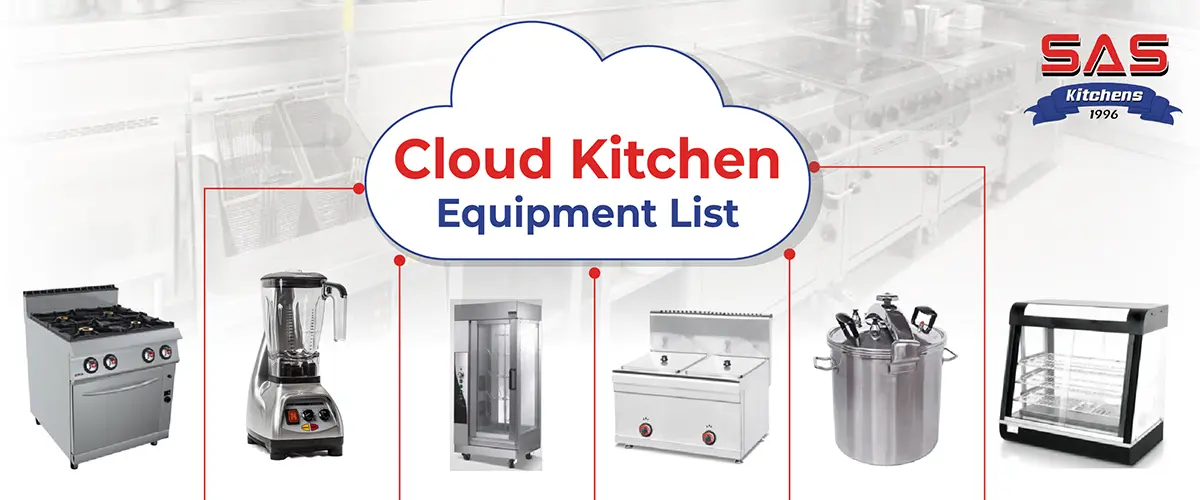
Running a restaurant is not merely About recipes and the ingredients that go into it. But, a hefty part depends upon the right tools that are being used to prepare and serve food. Commercial kitchen equipment is required in every kitchen to prepare food safely and efficiently. From cooking appliances to utensils to preparation tools, each equipment has its own advantage to the restaurant. With a proper restaurant kitchen equipment list, staff stay well-organised, reduce mistakes and make the service faster during busy periods.
How the Right Commercial Kitchen Equipment Make a Difference
Believe it or not but the profitability of any restaurant depends upon how efficiently the inside staff operates. And, to have that efficiency even skilled chefs need a set of commercial kitchen equipment that helps them operate the commercial kitchen smoothly. With the right set of kitchen equipment, it is easier to:
- save time on cooking and preparation
- keep food quality consistent
- maintain hygiene and safety
It is important to consider factors like kitchen layout, menu requirements, production capacity, and maintenance needs while selecting a commercial kitchen equipment.
Necessary Cooking Appliances
The cooking station is the most important part of the kitchen. Necessary kitchen equipment for restaurants includes the following:
- Ovens and Ranges – Baking, Roasting and Boiling
- Grills and Griddles – For steaks, sandwiches, and pancakes
- Deep Fryers – For fries, chicken wings, tempura and snacks
- Steamers – for vegetables, seafood and dim sum
These are the essentials of your restaurant commercial kitchen equipment list and will cover most of the primary cooking functions.
Keeping Ingredients Fresh
Cold storage is the backbone of any kitchen. Mandatory in all restaurants:
- Reach-In Refrigerators & Freezers Keep ingredients that will go bad
- Walk-In Coolers – Great for high-volume or large-menu kitchens
- Prep Tables with Refrigeration – Easy access to workspace and storage
Proper refrigeration prevents spoilage, ingredients stay fresh and staff work quickly.
Tools for Food Preparation
The right kitchen tools and equipment make efficient preparation:
- Mixers and Blenders – for dough, sauces, soups and smoothies
- Food Processors – Fast slicing, chopping or shredding
- Knives and cutting boards – essential for safe and fast preparation
- Slicers and mandolins – Make uniform portion sizes
These tools speed up preparation, make it safer, and make it more accurate.
Storage and Organisation Essentials
A Commercial Kitchen is more than skilled staff or the right set of equipment; it relies mainly on how things are organised and ingredients are stored? In order to operate efficiently and systematically, below are some commercial kitchen storage equipment every catering or commercial kitchen must have:
- Shelving Units & Racks Store pots, pans and dry goods
- Ingredient Bins & Containers – Keep food fresh and prevent contamination
- Pots, Pans and Baking Trays – Everyday cooking and baking items
- Measuring Cups & Spoons – For precise recipes
- Utensils – Spatulas, Ladles, Tongs, Whisks and Turners
A structured and rightly stored kitchen prevents you from food wastage and saves your staff’s time wasted in searching for ingredients and tools.
Speciality Equipment for Your Menu
Running a restaurant is not merely about right cutlery, staff, storage or operations. It heavily relies on specialised restaurant kitchen equipment that stand it unique in professional and Gen-z requirements.
- Coffee Machines & Espresso Makers – For Breakfast Or Cafe Menus
- Juicers & Smoothie Blenders – For healthy drinks
- Ice Makers – Keep cold drinks on hand for service
- Food Warmers and Soup Kettles – Keep ready-to-eat dishes safe even during busy hours.
All the above equipment is non-negotiables to run a professional kitchen.
Choosing the Right Equipment for Commercial Kitchen Setup
Having the right commercial kitchen equipment is indeed a profitable decision for any restaurant, hotel, cloud kitchen, or catering business. As the setup you have impacts a lot on how your kitchen operates, staff cooks, and overall business growth in the long term.
- Menu and Customer Volume – right match equipment to your menu and expected customers
- Space – Having versatile tools saves space in small kitchens
- Durability – Choose top-grade equipment that withstands daily use
- Energy Efficiency – Reduces utility costs
- Staff Knowledge – Your team must know how to operate and maintain each tool.
A self-favourable selection helps to reduce maintenance issues and supports smooth daily operations.
Maintaining Equipment for Safety and Performance
As long as your restaurant is running smoothly all of the commercial kitchen equipment seems to be an asset. But, it is also important to perform regular maintenance of kitchen tools and setup to avoid accidents. Try following below measures to maintain commercial kitchen equipment longevity –
- Always clean kitchen appliances, utensils, and preparation surfaces before starting the kitchen
- Schedule regular servicing for appliances like ovens, fryers, and refrigerators
- Replace damaged tools instantly
- An organised inventory helps to prevent shortages even during busy hours.
Quick Reference for Kitchen Equipment
Having the right equipment in your kitchen makes staff work less time-consuming. Here’s a basic list of essentials for your professional kitchen:
- Cooking Appliances: Ranges, ovens, grills, fryers, steamers
- Cold storage: Refrigerators, freezers
- Prep tools: Knives, cutting boards, food processors, blenders, mixers
- Organisation & Smallwares: Shelving, ingredient bins, pots, pans, trays, measuring cups, utensils
- Speciality Tools: Coffee Makers, Ice Makers, Smoothie Blenders, and Food Warmers.
This list guarantees setting up a professional kitchen without losing anything important.
FAQs
Q1: What should be included in a commercial kitchen equipment list?
A: To have a proper kitchen, equipment must include cooking appliances, preparation tools, storage, small wares, and speciality equipment.
Q2: How to choose suitable equipment for a new restaurant?
If you’re planning to open a new restaurant, then it is advisable to finalise the menu first. Once decided, it is easier to have a proper understanding of kitchen storage, staff, tools, etc.
Q3: Are energy-saving appliances worth using?
A: Yes, having energy-saving appliances helps to reduce costs and often lasts longer.
Q4: How often should kitchen equipment be serviced?
A: To provide a hassle-free service, clean the equipment daily, and on a monthly basis consult a professional.
Q5: Is it viable to use commercial equipment in a small kitchen?
A: Yes, by choosing compact and multi-purpose tools you can save space even in small kitchens.